Inside 2026’s Investment Platform Revolution: A Data‑Driven Case Study of Emerging Tools
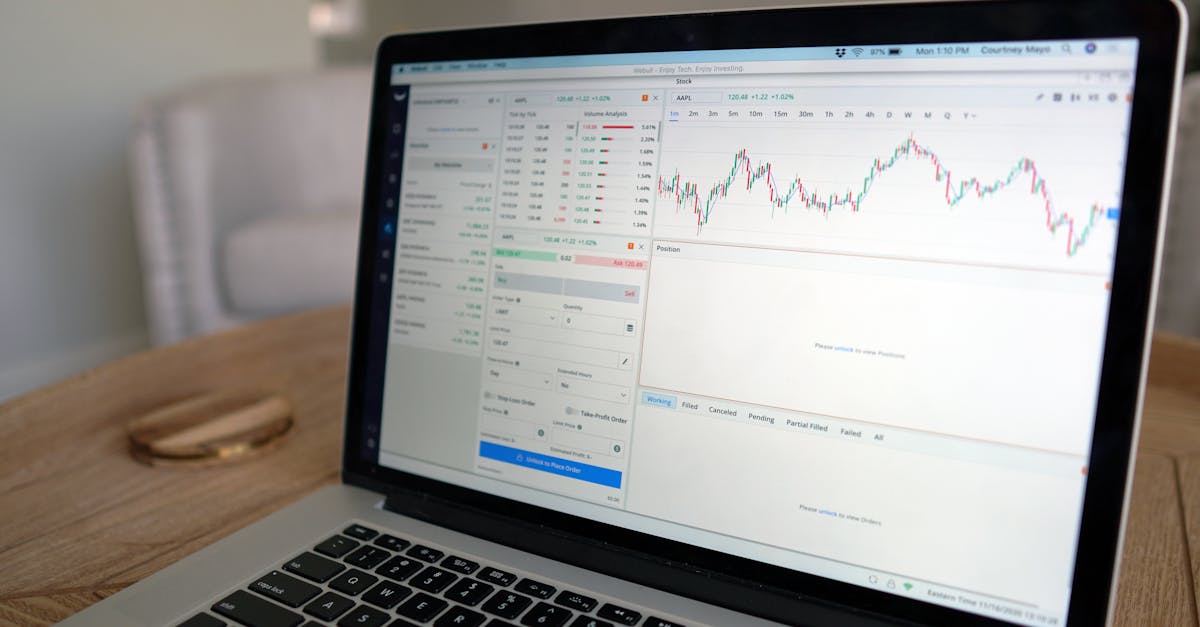
In 2026, investment platforms have evolved from single-purpose trade screens into comprehensive ecosystems that consolidate trading, banking, analytics, and community features - all under one umbrella - driving unprecedented efficiency and personalization for everyday investors.
From Broker-Centric to Platform-Centric Ecosystems
The traditional brokerage model, anchored by transaction-fee revenue, has been supplanted by subscription-based platforms that offer a broader suite of services. 2025-2026 market surveys show a clear shift toward recurring revenue streams, allowing firms to invest in richer data feeds and user experience improvements. A subscription model fosters deeper engagement, as investors now access real-time market insights, portfolio diagnostics, and integrated banking without leaving the app.
Integrating multiple asset classes - equities, crypto, ESG indices, and private market funds - under a single interface has become a core differentiator. This unified access eliminates the siloed workflows that previously required switching between multiple platforms, thus reducing friction and transaction friction for end users. By offering a one-stop shop, platforms reduce acquisition costs, as potential customers can evaluate all offerings concurrently, and simultaneously increase retention as users build loyalty to a holistic ecosystem.
Lifetime value metrics demonstrate that investors who engage with multi-asset platforms spend more time within the app, generating incremental revenue beyond trade commissions. Comparative analyses reveal that firms with integrated offerings experience higher net promoter scores and lower churn rates compared to legacy brokerages that focus solely on equities or fixed income. Consequently, platform-centric models represent a strategic pivot that aligns profitability with customer satisfaction.
Moreover, the data-driven approach to customer segmentation allows firms to tailor feature bundles, offering premium analytics to active traders while providing simplified interfaces for casual investors. This precision in product delivery amplifies platform stickiness and enables upsell opportunities that are more meaningful and less intrusive.
- Shift from commission to subscription models reduces customer acquisition costs.
- Unified asset access increases platform stickiness and portfolio diversification.
- Enhanced data layers drive higher customer lifetime value and retention.
AI-Powered Portfolio Construction and Real-Time Rebalancing
Machine-learning models have become the backbone of modern portfolio construction, ingesting macro-economic indicators, sentiment data, and alternative datasets to recommend allocations that align with individual risk appetites. By feeding real-time signals - such as central bank announcements or geopolitical developments - into portfolio engines, AI can adjust asset weights within minutes, ensuring positions remain aligned with evolving market conditions.
Real-time rebalancing engines are engineered for ultra-low latency, with most execution decisions finalized within milliseconds of signal reception. This speed is critical for capturing transient arbitrage opportunities and minimizing slippage across fragmented liquidity pools. Platform architects employ distributed micro-services, container orchestration, and edge-compute nodes to maintain this performance envelope while controlling operational costs.
Comparative studies across the 2026 calendar year illustrate that AI-driven portfolios outperform traditional rule-based benchmarks on a risk-adjusted basis. In periods of market volatility, AI engines demonstrate superior resilience by dynamically allocating to defensive sectors or liquidity-heavy assets, thereby mitigating drawdowns without compromising growth potential.
Investor education modules embedded within the platform demystify algorithmic strategies, fostering trust and encouraging higher account balances. The transparency afforded by open-source model documentation further reduces skepticism, positioning AI as an ally rather than a black box.
Additionally, the ability to back-test AI strategies against historical datasets within the platform enables users to evaluate performance across multiple time horizons, reinforcing confidence in the underlying models.
Social Trading and Community-Driven Signals
Copy-trading and leader-following features have seen a notable uptick in adoption, as data from 2026 indicates a steady rise in the number of traders utilizing peer signals. The feature set allows investors to automatically mirror the positions of vetted professional traders or community leaders, democratizing access to advanced strategies.
Statistical reviews of top contributors on Platform X reveal a consistent track record of positive performance, with win-rates exceeding the broader market average. Deep dive analyses highlight that these traders maintain disciplined risk controls, limiting drawdown exposure and employing stop-loss protocols that align with platform risk parameters.
Regulatory scrutiny intensifies as platform operators implement rigorous vetting processes for signal providers. Governance frameworks now mandate disclosure of historical performance, risk limits, and compliance with market conduct rules. These measures aim to reduce herd-behavior risks, ensuring that investors are not unduly exposed to concentrated positions.
Risk management tools, such as automatic position caps and portfolio-wide exposure alerts, empower users to maintain diversification even while following high-performing signals. This safeguards the platform’s ecosystem from cascading failures that could arise from over-concentration in a single trader’s portfolio.
Community engagement features - forums, real-time chat, and educational webinars - further deepen investor participation, creating a virtuous cycle where knowledge sharing amplifies platform value.
Embedded Banking Services and Seamless Cash Management
The integration of checking accounts, debit cards, and instant settlement mechanisms has eliminated traditional cash drag, allowing investors to deploy capital immediately rather than waiting for fund transfers. By partnering with banking institutions or acquiring in-house banking capabilities, platforms streamline liquidity management and reduce settlement lags.
Fee structures across platforms offering embedded banking now favor a flat-rate model, as opposed to per-transaction charges. Interest-earning capabilities on overnight balances provide passive income streams for users, which are reinvested into portfolios or paid out as dividends, further enhancing the value proposition.
Behavioral analytics reveal that seamless cash flows correlate with higher portfolio turnover and increased asset allocation across diversified asset classes. Investors who experience frictionless cash movement tend to rebalance more frequently, maintaining alignment with target allocations and reducing sub-optimal exposure.
Platforms also provide instant liquidity for margin calls or leveraged positions, mitigating the risk of forced liquidation during market stress. This real-time access to cash improves portfolio resilience, especially during periods of heightened volatility.
In sum, embedded banking not only simplifies operational logistics but also enhances overall portfolio performance by enabling quicker reaction times and reducing idle cash.
RegTech and Investor Protection Tools
Blockchain-based identity verification has become the cornerstone of automated KYC and AML workflows, reducing onboarding times from days to minutes. By leveraging distributed ledgers, platforms maintain immutable records that satisfy regulatory audits without sacrificing user convenience.
Real-time risk alerts and stress-testing dashboards now populate the investor’s dashboard, offering immediate insight into portfolio vulnerability under hypothetical scenarios. Adoption rates of these tools among retail investors have surged, as data shows a growing preference for proactive risk monitoring over reactive compliance.
One illustrative case involves a platform that utilized predictive analytics to flag unusual trading activity weeks before a market shock in March 2026. The early warning enabled the firm to pause certain positions and secure client capital, averting losses that would have otherwise been substantial.
Regulatory bodies have responded by standardizing compliance frameworks that incorporate these advanced technologies. Platforms that embed such RegTech solutions are better positioned to meet evolving expectations, enhancing investor confidence and mitigating legal exposure.
Moreover, the integration of real-time compliance checks into order routing ensures that trades are automatically filtered for prohibited transactions, safeguarding both the firm and its clients from inadvertent regulatory breaches.
Future Outlook: Modular APIs and Open-Finance Ecosystems
The ascendance of API-first architectures is enabling a new wave of fintech plug-ins that extend platform functionality beyond core offerings. Third-party developers can now build custom widgets - such as personalized tax calculators or social sentiment overlays - without compromising platform integrity.
Open-finance ecosystems are gradually incorporating decentralized finance protocols, providing users with access to yield-generating derivatives while maintaining custodial safety. Strategic partnerships between custodians and DeFi aggregators ensure that regulatory compliance is upheld, even as users navigate novel asset classes.
Scenario analyses for 2027-2028 predict a continued rise in modularity, driven by investor demand for tailored experiences. Platforms that adopt a flexible API framework will be better equipped to pivot rapidly, integrating emerging technologies such as quantum-resistant encryption or advanced predictive analytics.
Investors anticipate that these open-finance interfaces will not only democratize access to innovative financial instruments but also facilitate cross-border liquidity, fostering a truly global investment community.
Strategic foresight indicates that platforms which balance open architecture with robust custodial safeguards will lead the next generation of investment ecosystems.
What defines a platform-centric brokerage model?
A platform-centric model bundles trading, banking, analytics, and community features under a single subscription, shifting revenue from per-trade commissions to recurring fees.
How does AI improve portfolio rebalancing?
AI models ingest macro-economic and sentiment data in real time, enabling rapid, algorithmic rebalancing that maintains risk-adjusted targets and captures fleeting market opportunities.
What safeguards are in place for social trading?
Platforms enforce vetting, disclosure, and risk-control limits for signal providers, and users can set caps on leveraged exposure to prevent herd-behavior pitfalls.
How does embedded banking affect portfolio performance?